In mid-2024, one of our affiliate websites experienced a sudden 40% drop in organic traffic within just two weeks. There was no manual action, no technical issue, and no obvious SEO mistake behind the decline. Instead, Google’s Helpful Content system had quietly reassessed the site’s value and determined that more than 50 articles no longer deserved strong visibility in search results.
These weren’t low-quality or spammy pages. Most were well-structured product reviews ranging from 800 to 1,200 words, featuring accurate specifications, clean formatting, and solid keyword targeting. Yet they shared one critical weakness: they offered little beyond information already available on the manufacturer’s website or product page.
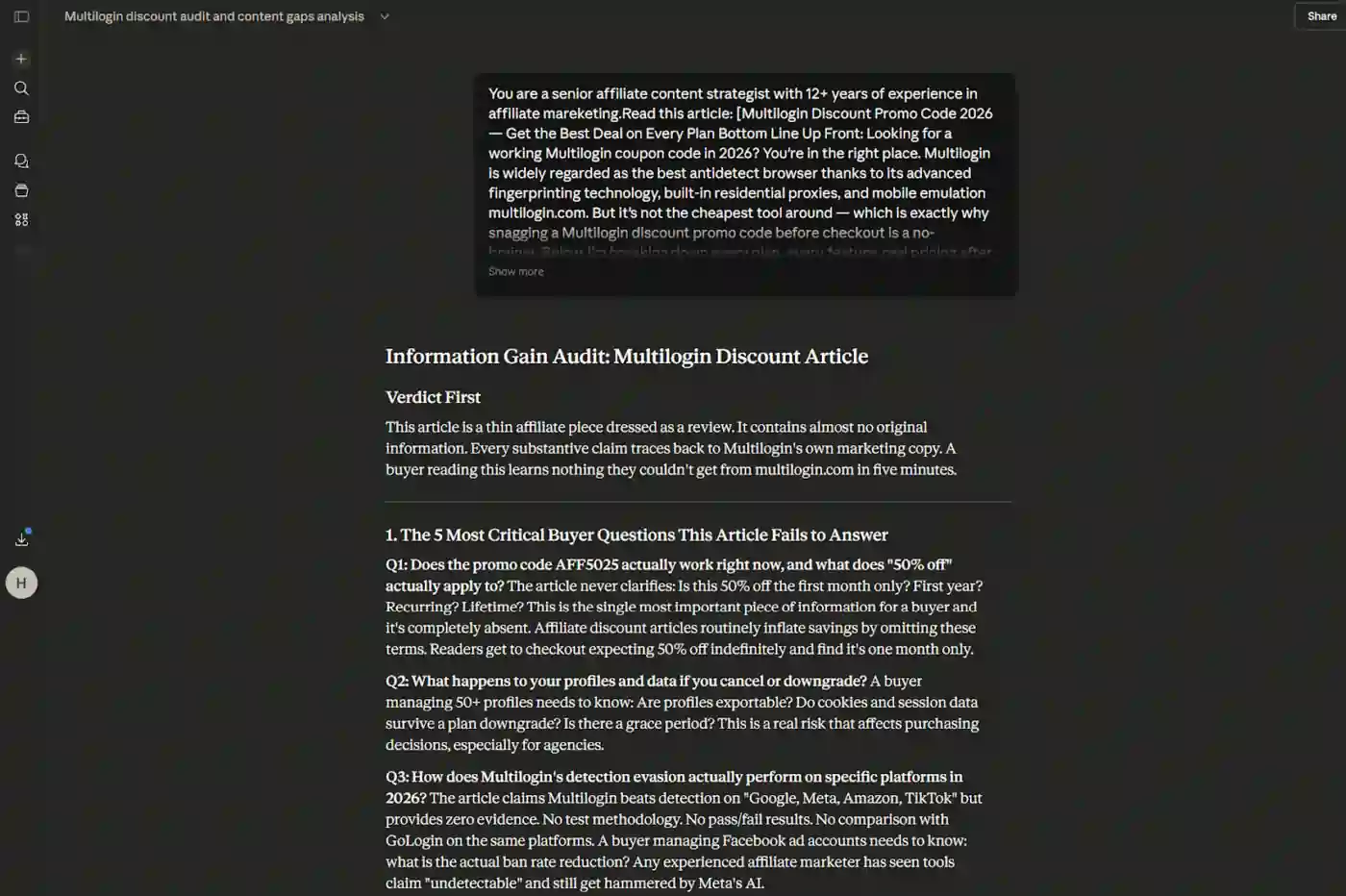
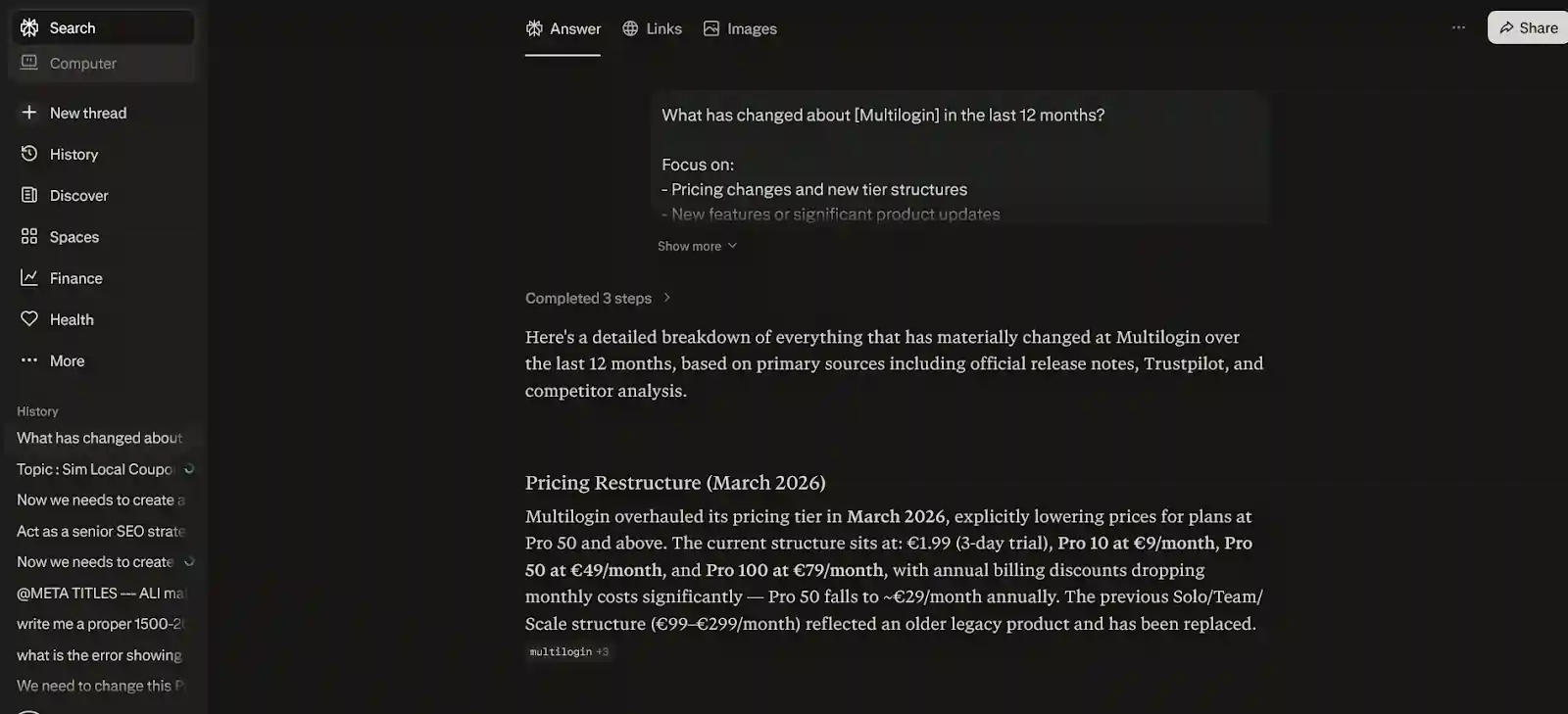
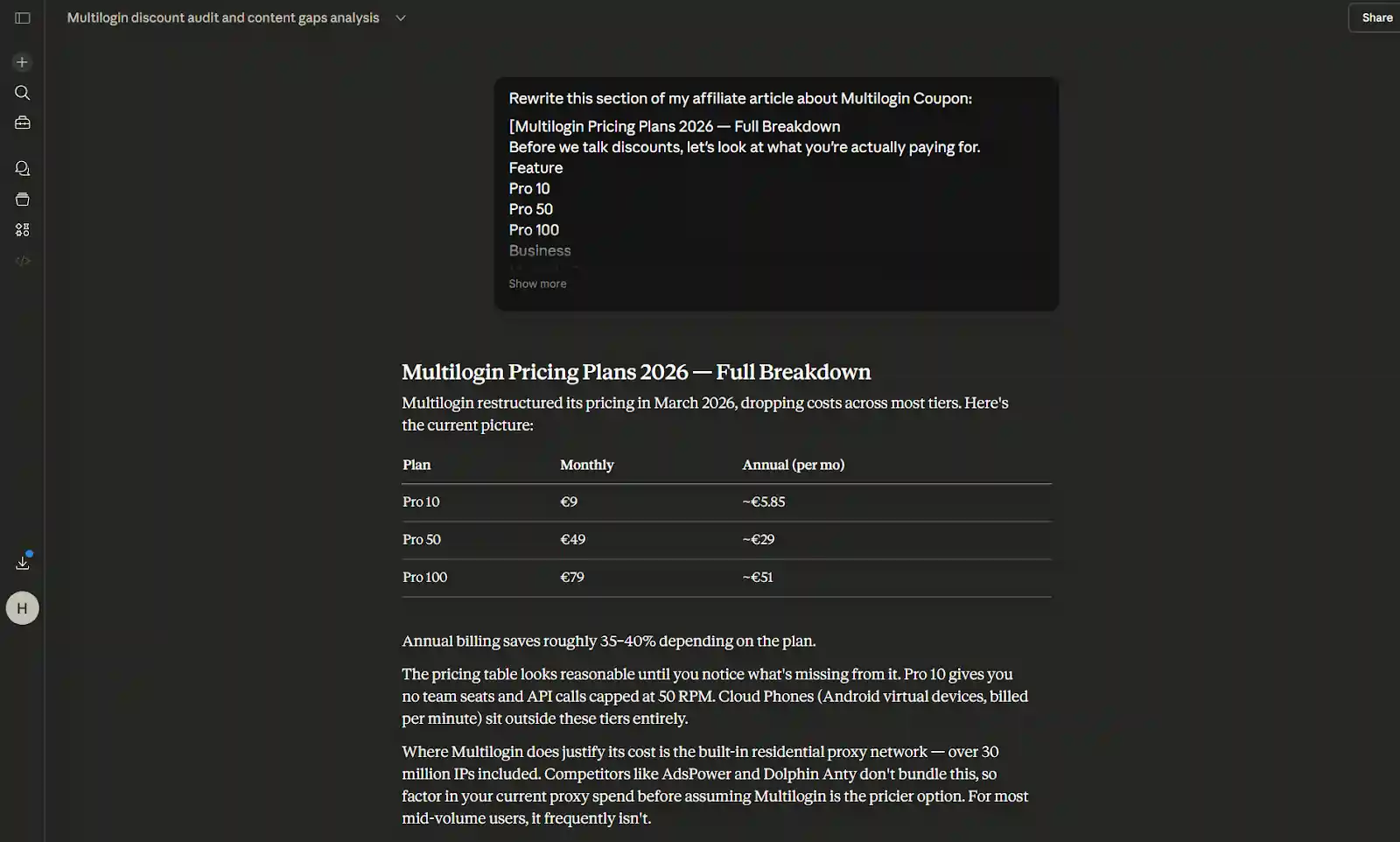
Rather than walking away from the site, the ELKING team decided to treat the setback as an opportunity. We launched a 180-day content recovery project focused on transforming every underperforming article into a genuinely valuable resource for buyers. Using an AI-assisted workflow powered by Claude, Perplexity, SEMrush, and Genspark, we rebuilt the content from the ground up—adding deeper research, unique insights, stronger purchase guidance, and content elements designed to serve real user intent.
The outcome was far more significant than a traffic recovery. It fundamentally changed the way we create, evaluate, and scale affiliate content across our portfolio.
In this guide, we’ll break down the complete framework behind that transformation. You’ll learn how Google defines thin affiliate content in 2026, how to identify weak pages before they become a ranking liability, the exact workflow we use to rewrite and upgrade affiliate articles, and the data-driven insights that explain why this approach continues to deliver results in an increasingly competitive search landscape.
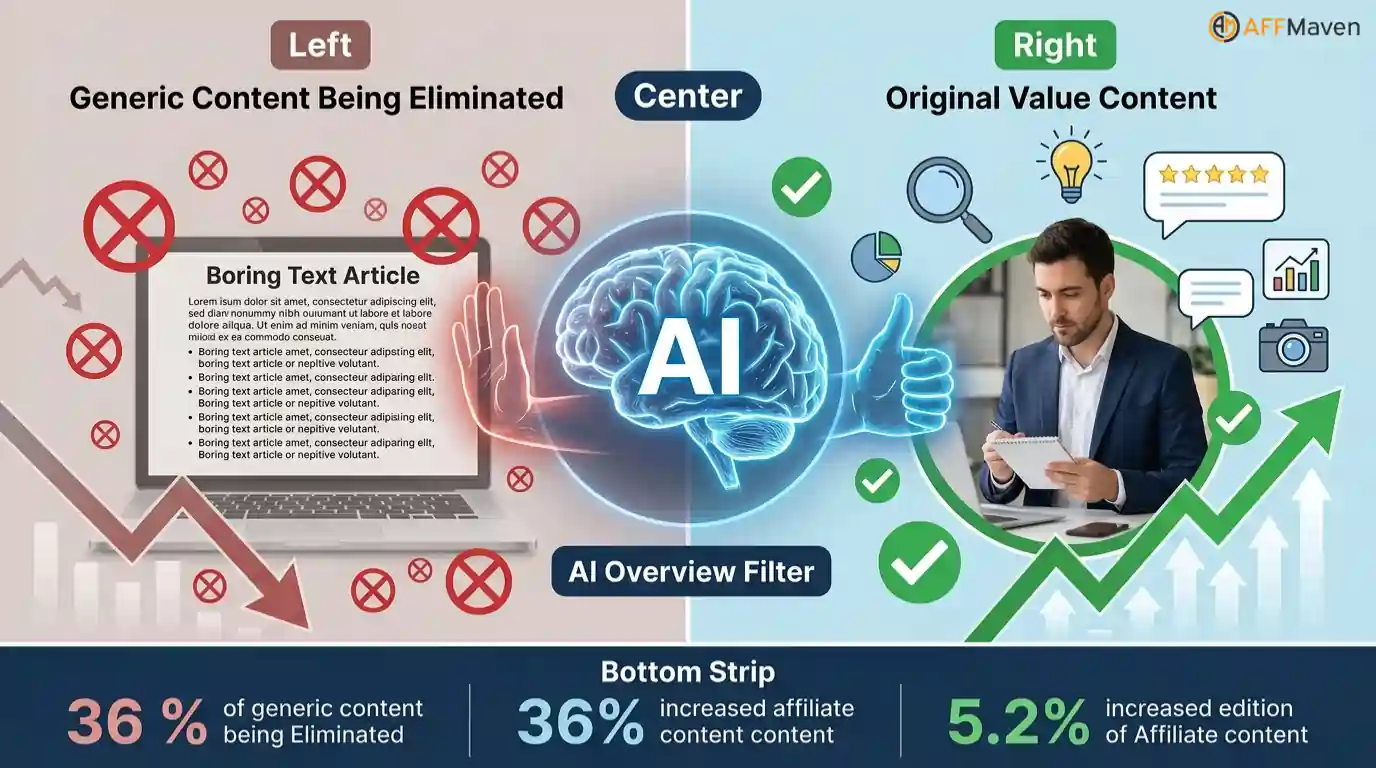
Why Thin Affiliate Content Is Being Eliminated
The 2026 Definition of Thin Content
In 2026, thin content is no longer about word count.
Google’s Helpful Content systems have evolved to prioritize content that demonstrates real experience, original insights, and meaningful expertise. Many SEO professionals now describe this as experience dilution—content that covers a subject but lacks firsthand knowledge, unique analysis, or genuine editorial value.
A 2,500-word article built from manufacturer specifications and competitor research can still be considered thin content. In contrast, a focused 900-word review created by someone who has actually tested or used the product may provide significantly more value.
The key factor is Information Gain. Does your content provide insights, data, or perspectives that users cannot find in other top-ranking pages?
If your “Best VPN for Streaming” article looks nearly identical to dozens of competing results—with the same comparison tables, similar pros and cons, and generic recommendations—it offers little additional value to users or search engines.
The AI Overview Problem
Google AI Overviews now appear across a significant percentage of search queries, changing how users interact with search results.
According to SEMrush research, websites ranking in the top positions experienced an average 34.5% decline in click-through rates when AI Overviews appeared for their target keywords.
Additional industry studies have reported CTR reductions of 61–65% for search queries where AI-generated summaries are displayed.
For affiliate marketers and publishers, the impact has been particularly noticeable. Buyer’s guides, product reviews, and comparison content have seen substantial traffic losses, often resulting in lower affiliate revenue and fewer conversions.
The content that continues to attract clicks—and earn visibility within AI Overviews—shares a common characteristic: it delivers original value.
Whether through firsthand product testing, exclusive data, expert analysis, or unique buyer insights, these pages provide information that cannot easily be replicated elsewhere.
As a result, generic affiliate reviews are losing visibility, while content built around experience, expertise, and original insights is becoming increasingly important.
Phase 1: The Audit — Which Articles Are Worth Saving
Not every thin page justifies a full rewrite. Some target dead keywords. Some sit in niches with weak commissions. Some are so structurally flawed that starting fresh is cheaper than repairing them.
At ELKING, the strongest recovery candidates share these traits:
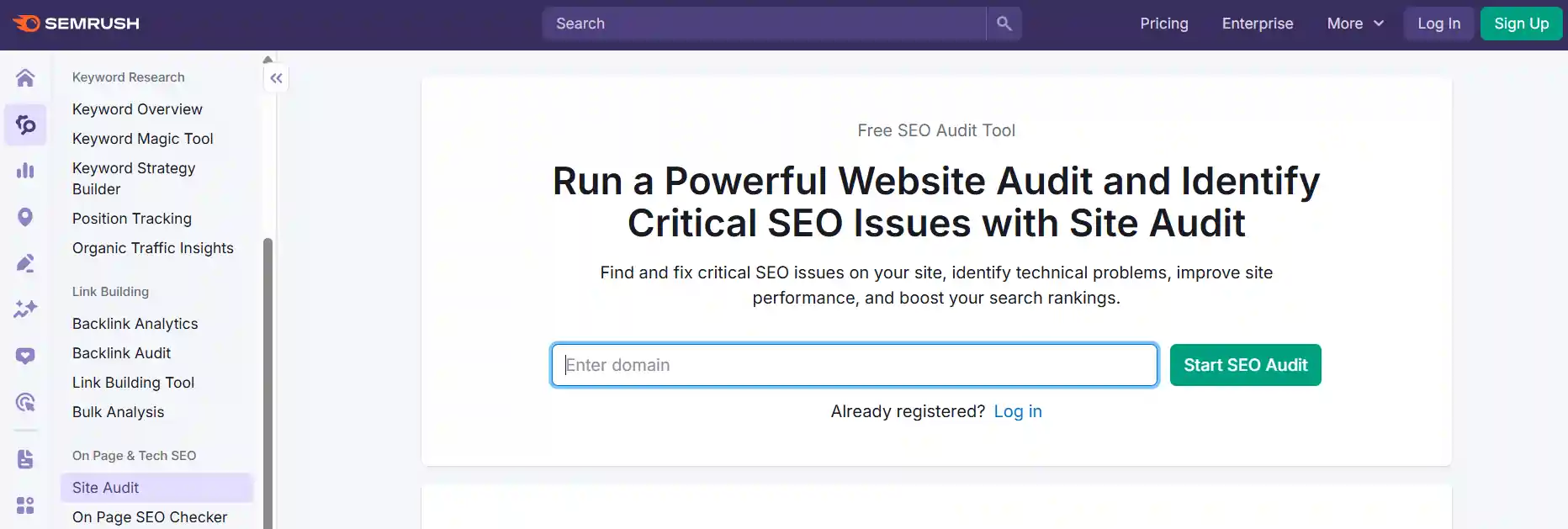
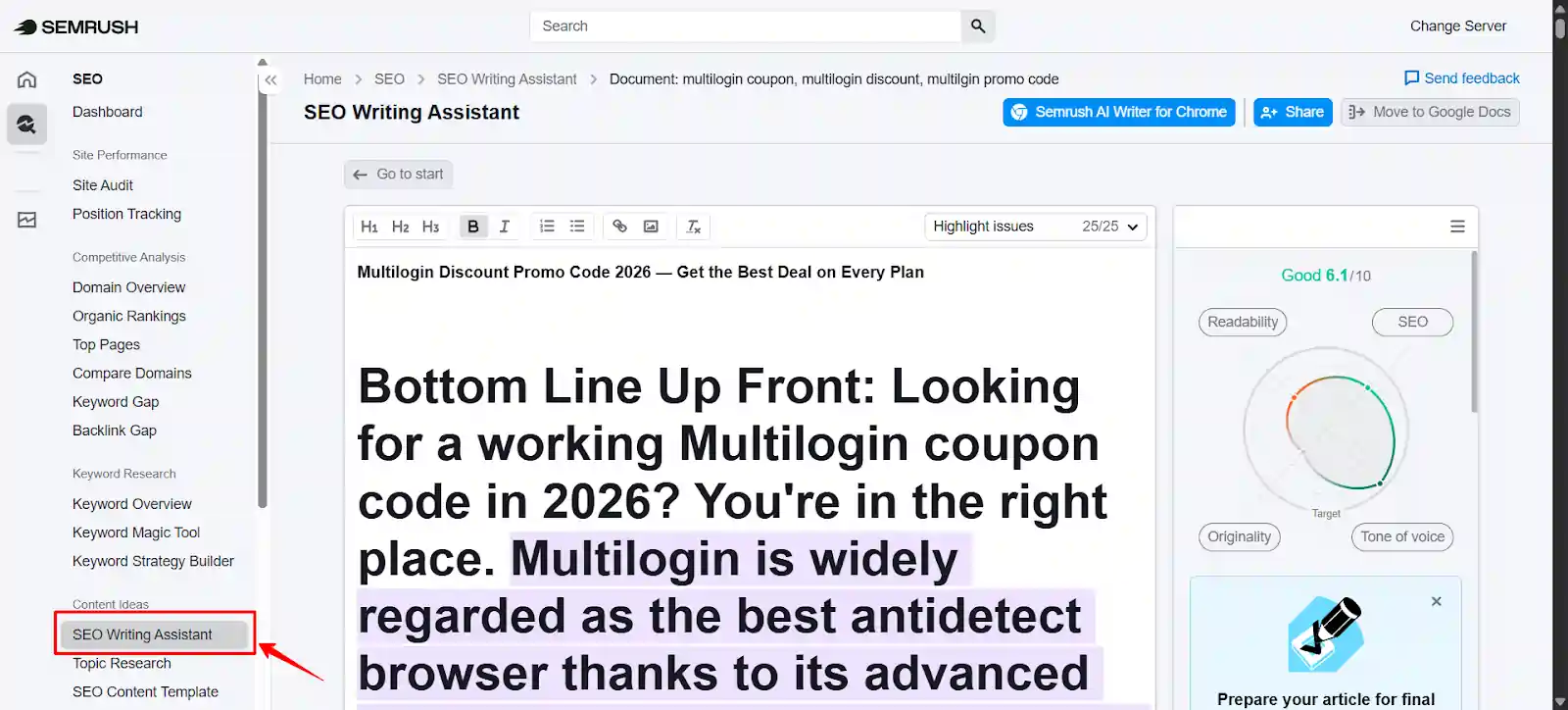
SEMrush + Google Search Console Triage